An African safari is a dream experience, offering the thrill of the wild, awe-inspiring landscapes, and encounters with nature’s most majestic creatures. Whether you’re headed to Kenya’s Maasai Mara for the Great Migration, Amboseli for views of Mount Kilimanjaro, or Tsavo for its rugged beauty, proper preparation is key.
One of the most common questions travelers ask is: What should I wear on a safari? While looking stylish may cross your mind, your safari wardrobe should focus on comfort, practicality, and blending in with the environment. Here’s your ultimate guide to dressing for an unforgettable safari holiday.
Safari Clothing Essentials: What You Need to Know
Your safari attire should address these main priorities:
Comfort for long hours in vehicles or on walking safaris.
Protection from the elements, insects, and wildlife.
Neutral tones to blend into the surroundings and avoid startling animals.
Let’s break it down:
1. The Basics of Safari Dressing
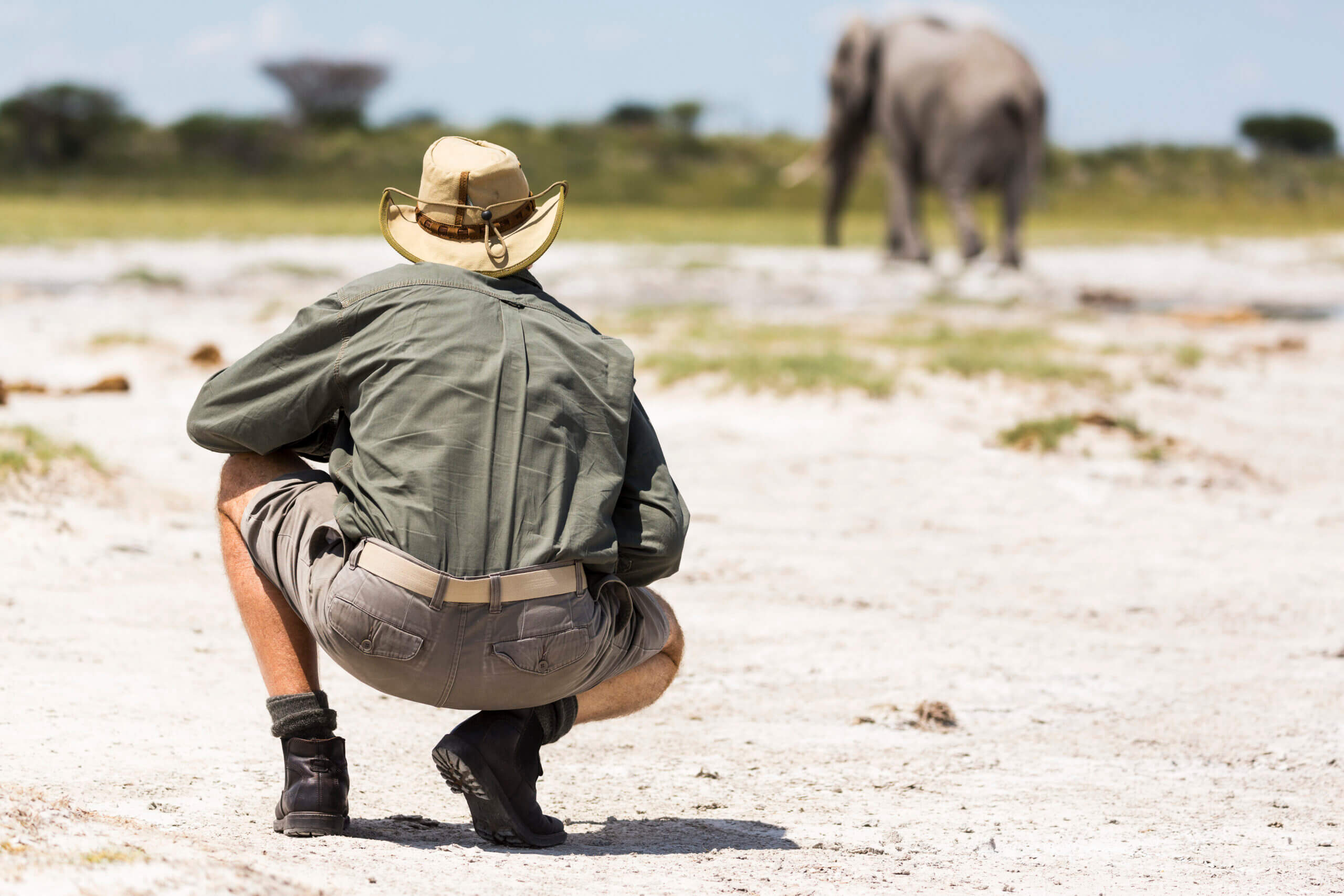
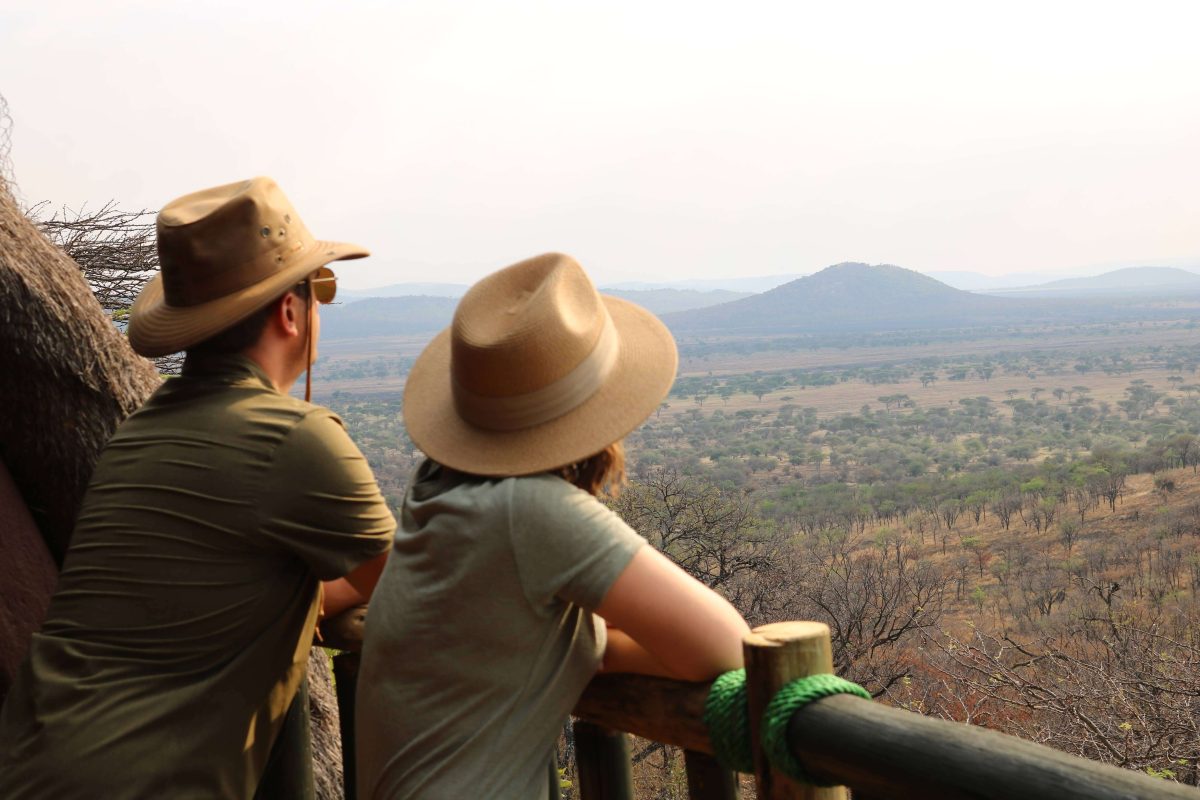
Neutral Colors: Stick to earthy tones like khaki, olive green, beige, and brown. These help you blend into the natural environment.
Lightweight Fabrics: Choose breathable materials like cotton or moisture-wicking fabrics to stay cool in the heat.
Layering: Mornings and evenings can be chilly, even in the hottest months. Layering lets you adapt to changing temperatures.
2. What to Wear on Game Drives
Shirts
Long-Sleeve Shirts: Great for protecting your skin from the sun, bugs, and dust. Look for lightweight, breathable options.
T-Shirts: Perfect for casual wear during hotter afternoons. Avoid bright colors like red or yellow, which can attract insects or wildlife.
Pants
Long Trousers: These protect your legs from thorns, scratches, and bites. Convertible pants that zip into shorts are especially handy.
Shorts: Great for warm afternoons but best suited for areas with fewer insects.
Outerwear
Warm Jacket or Fleece: Essential for early morning and evening game drives, especially in highland parks like Aberdare.
Waterproof Jacket: A must if traveling during the rainy season (March-May or November-December).
3. Footwear for Your Safari
Sturdy Closed Shoes: Sneakers or lightweight hiking boots are ideal for walking safaris and uneven terrain. Choose darker colors to handle dust.
Sandals or Flip-Flops: Perfect for relaxing at the lodge or by the pool after a day of adventure.
4. Accessories for a Successful Safari
These essentials will enhance your safari experience:
Hat: A wide-brimmed hat provides excellent sun protection for your face and neck.
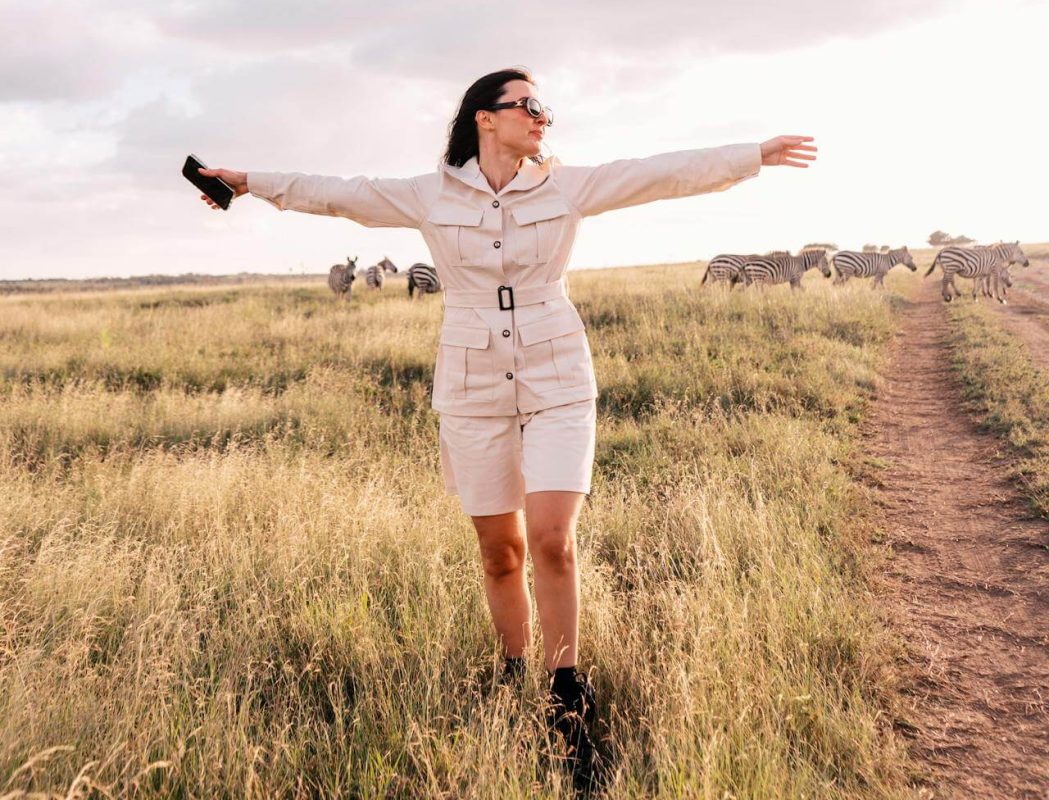
Sunglasses: Polarized sunglasses help reduce glare and protect your eyes from the intense African sun.
Scarf or Bandana: Useful for shielding your face from dust during game drives.
Binoculars: Essential for spotting distant wildlife. Some safari operators provide these, but having your own pair is recommended.
Daypack: A small bag to carry water, sunscreen, a camera, and other essentials.
5. Evening Attire at the Lodge
Evenings at safari lodges are usually casual, but it’s a good idea to pack a few items for cooler nights:
Light Sweaters or Jackets: Perfect for relaxing around a campfire or enjoying dinner outdoors.
Comfortable Clothing: Lightweight trousers or a simple dress work well.
Sandals or Closed Shoes: Protect your feet from insects.
6. Safari Packing Tips for Kids
If you’re traveling with children, the same rules apply:
Neutral colors.
Comfortable layers for temperature changes.
Essentials like hats, sunglasses, and insect repellent.
7. What to Avoid on Safari
Bright Colors: These can attract animals or insects, disrupting the experience.
Dark Blue or Black: These shades attract tsetse flies, whose bites can be painful.
Camouflage Clothing: In some African countries, civilians are not allowed to wear military-style clothing.
Excessive Jewelry: Not only unnecessary but also easy to lose or damage.
8. Seasonal Packing Considerations
Dry Season (June to October) Expect warm days and cool mornings or evenings. Pack layers and prioritize sun protection.
Wet Season (March-May, November) Be prepared for lush greenery, muddy conditions, and increased insects. Waterproof clothing and sturdy shoes are key.
Hot Season (January to February) Pack lightweight, breathable clothing and focus on staying hydrated.
9. Safari Packing Checklist
Here’s a quick checklist to simplify your packing:
Clothing
Long-sleeve shirts
T-shirts
Long trousers and shorts
Warm jacket or fleece
Waterproof jacket
Comfortable closed shoes
Sandals or flip-flops
Hat
Scarf or bandana
Accessories
Sunglasses
Sunscreen
Insect repellent
Lip balm with SPF
Binoculars
Camera
Daypack
Reusable water bottle
Extras
Toiletries
Personal medications
Lightweight gloves (if traveling during cooler months)
Conclusion
With the right clothes and gear, your safari will be comfortable, safe, and memorable. Whether you’re enjoying breathtaking wildlife encounters or relaxing under the African sky, preparation makes all the difference.
At Nenkai Expeditions, we’re dedicated to ensuring your safari is seamless and stress-free. From expert packing advice to curating personalized itineraries, we’re here to help you every step of the way.
Ready to pack your bags? Contact Nenkai Expeditions today and start planning your dream safari. Karibu Nyumbani—Welcome Home!
At Nenkai Expeditions, we craft bespoke, immersive experiences that create unforgettable memories, delivering an unparalleled connection to Africa’s wild landscapes and rich cultural heritage.