
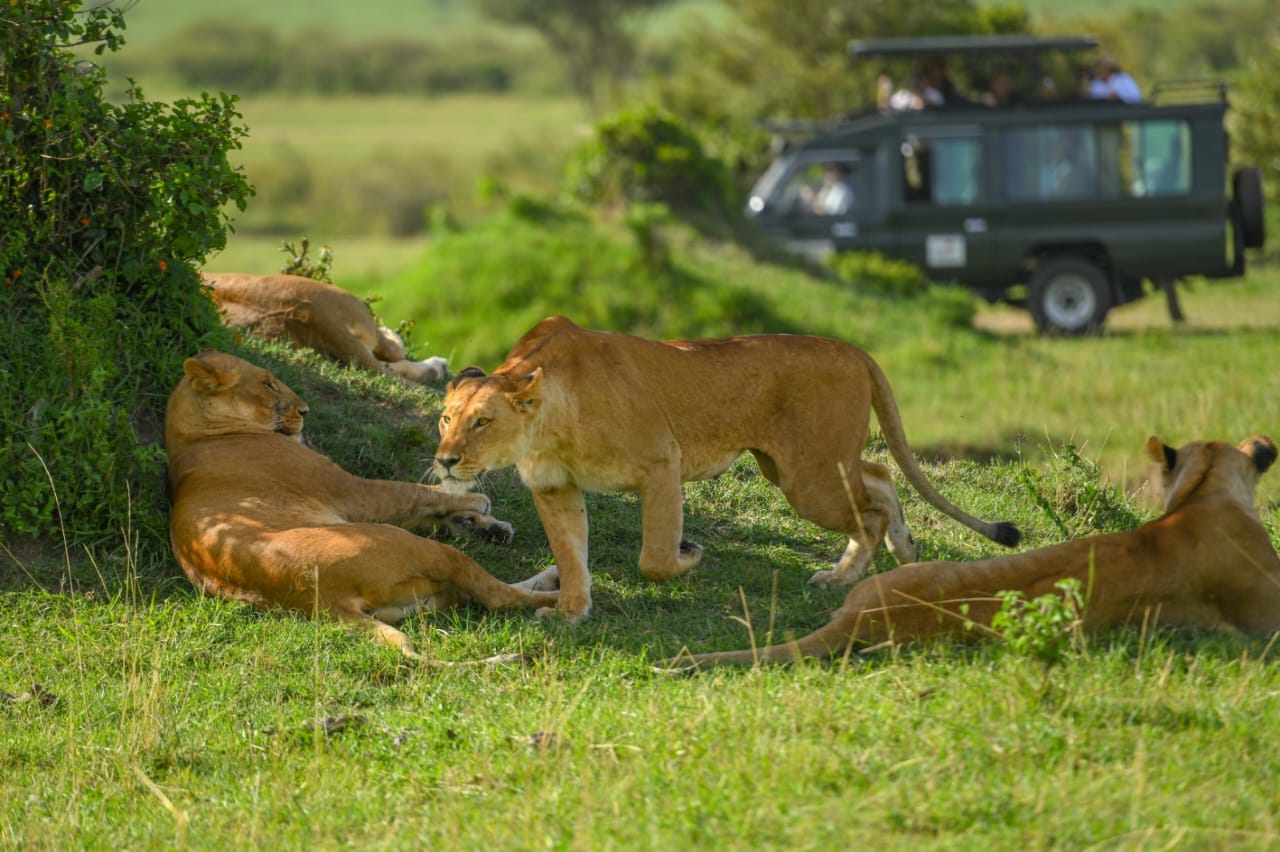

Kenya, the crown jewel of East Africa, stands among the most captivating safari destinations in the world. Its vast savannahs teeming with wildlife, majestic mountains, pristine coastlines, and rich cultural heritage offer a safari experience unlike any other. To truly maximize your Kenyan adventure, timing is crucial. Knowing the best time to embark on a Kenya safari can elevate your experience, ensuring you witness Africa’s wonders at their finest.
In this guide, we’ll explore the ideal times of the year for a safari in Kenya, the advantages and challenges of each season, and the best parks to visit, helping you craft a safari experience that aligns with your preferences.
Situated on the equator, Kenya enjoys a generally warm climate year-round. However, its diverse geography—from coastal beaches to highlands and savannahs—creates varied weather patterns. Kenya’s seasons are primarily:
Each season offers unique experiences, depending on your interests and priorities.
1. Exceptional Wildlife Viewing
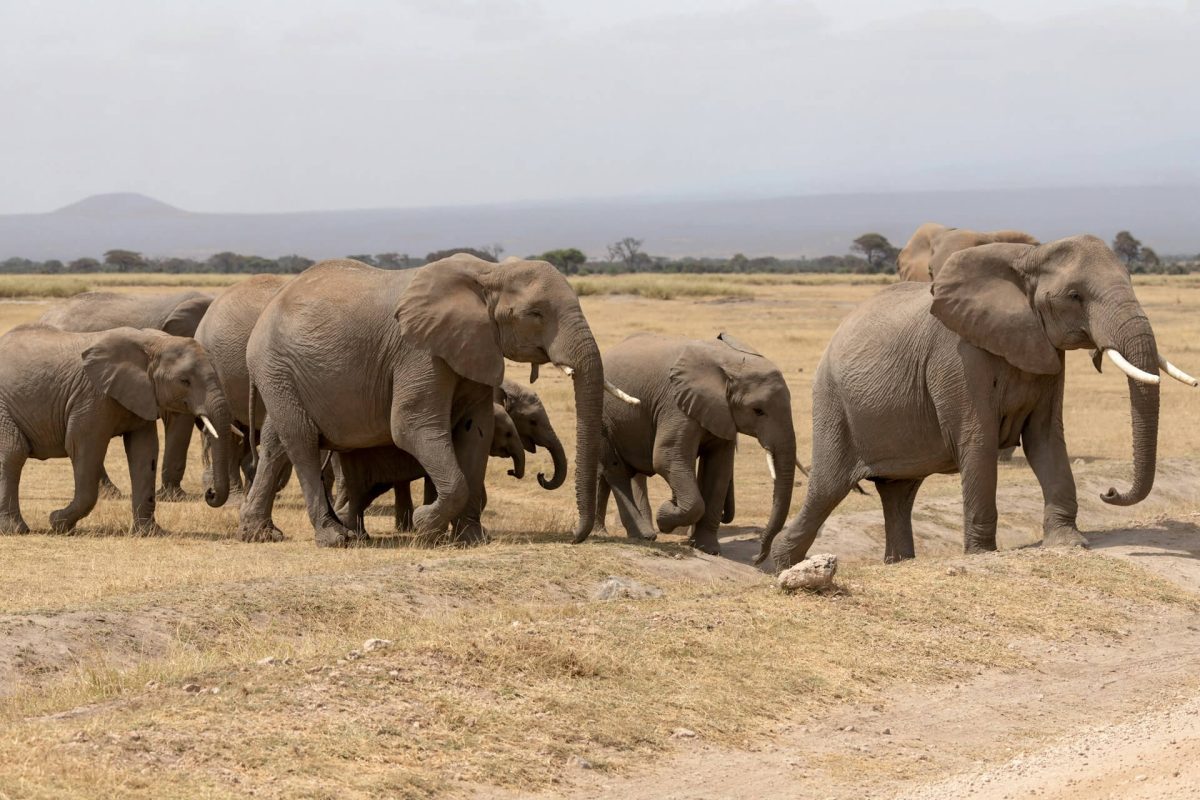
During these months, vegetation thins out, and water sources dry up, drawing animals to rivers, lakes, and waterholes. This makes it easier to spot iconic species like elephants, zebras, giraffes, and predators such as lions, cheetahs, and leopards.
2. The Great Migration
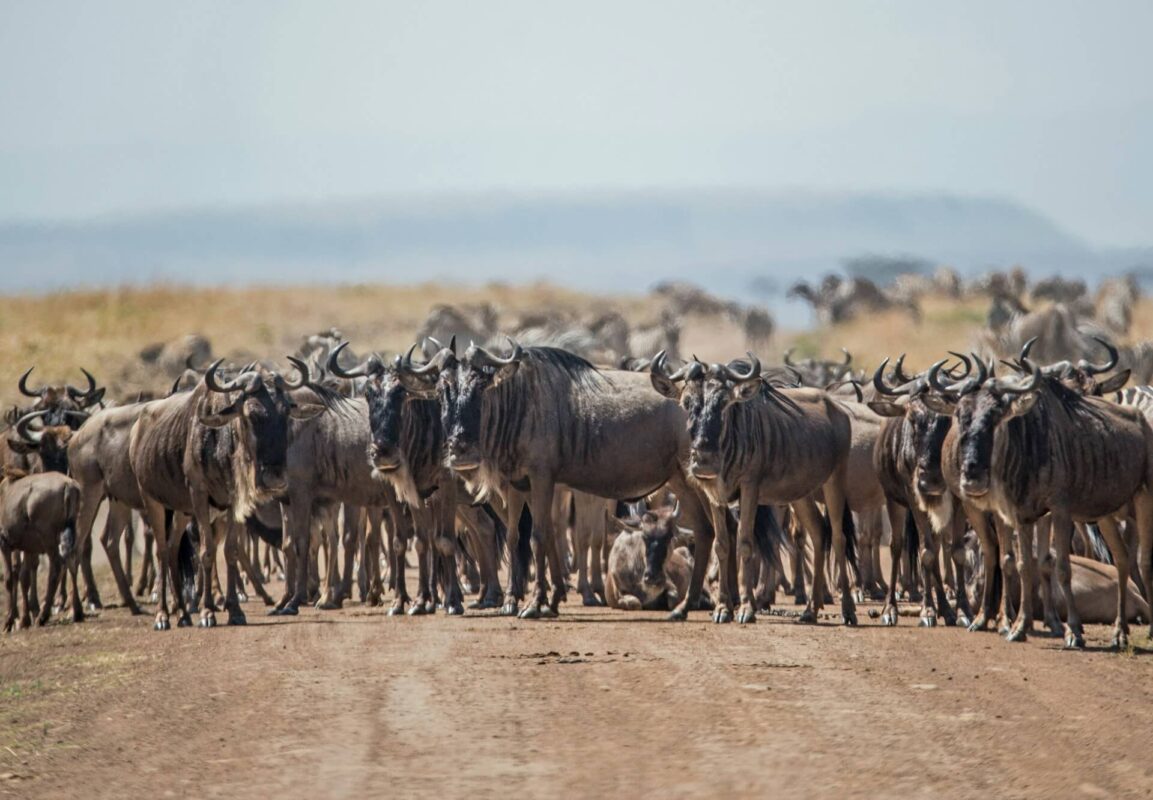
A highlight of the Kenyan safari calendar, the Great Migration takes place from July to October in the Maasai Mara. Over 1.5 million wildebeest, zebras, and gazelles migrate from Tanzania’s Serengeti into Kenya’s Maasai Mara in search of greener pastures. The dramatic river crossings at the Mara River are a must-see.
3. Ideal Weather Conditions
With clear skies, warm days, and cool nights, the dry season provides comfortable conditions for game drives. The lack of rain reduces the chances of muddy roads.
4. Beach Bliss
This season is also ideal for visiting Kenya’s stunning coastlines, where the weather is perfect for a post-safari beach holiday.
While less popular, the wet season has its own charm, offering unique benefits for those seeking a serene and cost-effective safari.
1. Birdwatching Paradise
From November to April, migratory birds arrive in Kenya, creating a vibrant spectacle for bird enthusiasts. Lakes like Naivasha, Nakuru, and Bogoria are hotspots for flamingos, kingfishers, and storks.
2. Lush Landscapes and Fewer Crowds
The rains transform Kenya’s landscapes into lush, green paradises, offering picturesque views and quieter parks. Lodges often offer discounted rates during this time, making it budget-friendly.
3. Calving Season
From January to March, thousands of wildebeest and other herbivores give birth, attracting predators. This is a thrilling time to witness the circle of life in action.
4. Challenges of the Wet Season
Heavy rains, particularly during the long rains (March to May), can make roads impassable and game drives challenging. Some lodges may also close during this period.
Month-by-Month Safari Guide
A Kenya safari is a once-in-a-lifetime journey that connects you with nature and wildlife. Whether you explore during the bustling dry season or the tranquil wet season, Kenya promises unforgettable experiences.
At Nenkai Expeditions, we specialize in creating tailor-made safaris that showcase Kenya’s extraordinary wildlife, landscapes, and culture. Let us help you plan the safari of your dreams.
Karibu Nyumbani—Welcome Home.


3 Comments
This is a great Kenyan safari travel guide. I really like it
Very informative and well outlined. Looking forward to my Kenya safari during the wet season
I have realised the wet season is ideal too for us who don’t like crowding and also traveling on a budget